Proudly serving Phoenix, Scottsdale, Mesa, Glendale, Tempe, Chandler & surrounding areasCall or Text 24/7: 602-559-1353
Aerial drone view of Phoenix, AZ, showing residential neighborhoods with terracotta roofs and desert landscaping.

Outlet & Switch Installation in Phoenix, AZ for Receptacles & Lighting Controls

Phoenix House Rewiring provides outlet and switch installation in Phoenix, AZ, from worn receptacle replacements to new lighting controls. We install GFCI and AFCI protection and dedicated circuits for appliances that need their own power supply. Our electrical panel upgrades and whole house rewiring services address homes where device replacement alone will not resolve the underlying problem.

Desert heat and aging wiring can leave Phoenix homeowners with dead outlets, flickering lights, and circuits that trip during everyday use. We trace the cause before recommending a replacement, checking the circuit, device, and panel connections. Our electricians use side-wire terminal connections and test the completed installation. A property walkthrough and clear scope help you understand the work before it begins.

Our electricians hold Arizona Registrar of Contractors licensing and handle required permits through the City of Phoenix Development Services Department. Call to discuss your outlet locations, switch problems, or plans for a new appliance.

Phoenix House Rewiring installs outlets and switches in Phoenix and nearby Scottsdale, Tempe, Mesa, Glendale, and Chandler.

★ ★ ★ ★ ★4.9/5 Customer Satisfaction · 29 Years of Electrical Experience · 2,500+ Electrical Projects Completed · Licensed, Bonded & Fully Insured · Rewiring Homes Across the Valley

Outlet & Switch Options and Benefits

What Does Outlet and Switch Installation Include?

Outlet work can mean replacing a worn receptacle, diagnosing a dead outlet, or adding a connection where none existed. We inspect the existing box and wiring so the replacement fits the circuit and the room's needs.

Switch work ranges from a single-pole replacement to three-way and four-way controls, LED dimmers, and smart switches. We check the fixture load and wiring arrangement before selecting the device.

An installation also needs the right protection and a sound power supply. Our work follows NEC Article 210 for branch circuits and Article 406 for receptacle installation, with panel or wiring upgrades considered when the existing circuit needs attention.

Benefits of Updating Outlets and Switches

Match the device to how you use the room, then address the wiring that supports it. These upgrades improve everyday access to power and lighting while correcting specific electrical concerns.

  • Replace worn receptacles that no longer hold plugs securely.
  • Add convenient charging points near desks and beds.
  • Reduce extension cords across living rooms and hallways.
  • Add GFCI protection where moisture creates a shock risk.
  • Use AFCI protection to detect dangerous electrical arcing.
  • Match LED dimmers to the bulb driver to reduce buzzing and flicker.
  • Give high-draw appliances a dedicated circuit.
  • Choose switch placement suited to remodel and accessibility needs.
Electrical Work for Your Home

Outlet, Switch, and Circuit Services

A new device should solve the problem you called about. We handle replacements and new installations, then assess whether circuit protection, capacity, or wiring condition calls for additional work.

Outlet Installation and Replacement

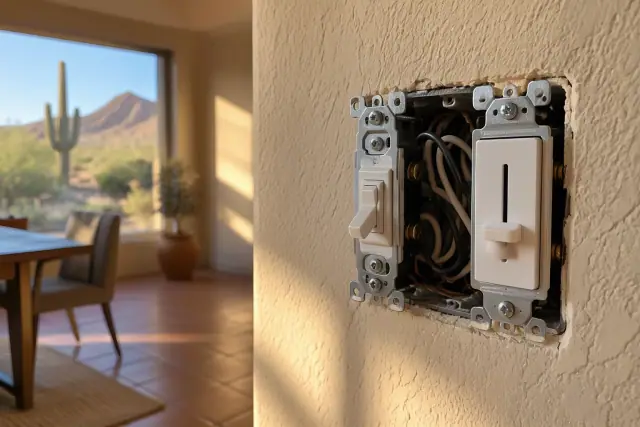
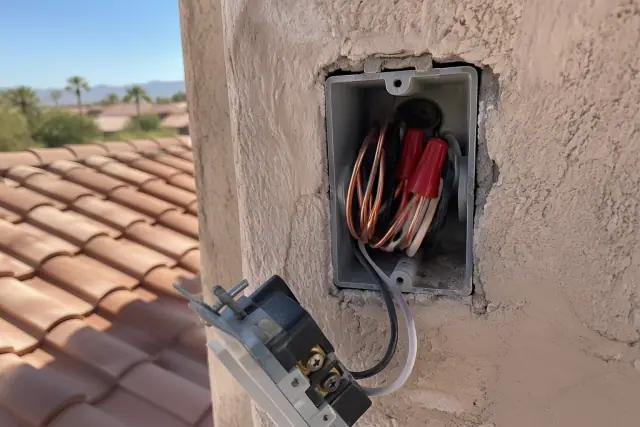
Copper wires in an electrical junction box during an outlet installation on a stucco wall in Phoenix, AZ.

We replace worn or ungrounded receptacles and add outlets near kitchen islands, workspaces, and bedside locations. Standard duplex, tamper-resistant, and USB-integrated options are matched to the circuit and intended use. Side-wire terminal connections replace reliance on push-in backstabs.

Request Estimate

Light Switch and Dimmer Installation

Electrician installing a light switch and dimmer in a Phoenix, AZ home.

Single-pole switches control a fixture from one location; three-way and four-way arrangements provide control from two or more. We trace the wiring in hallways, stairwells, and garages, match dimmers to LED loads, and check neutral availability for smart switches.

Request Estimate

GFCI Outlet Installation

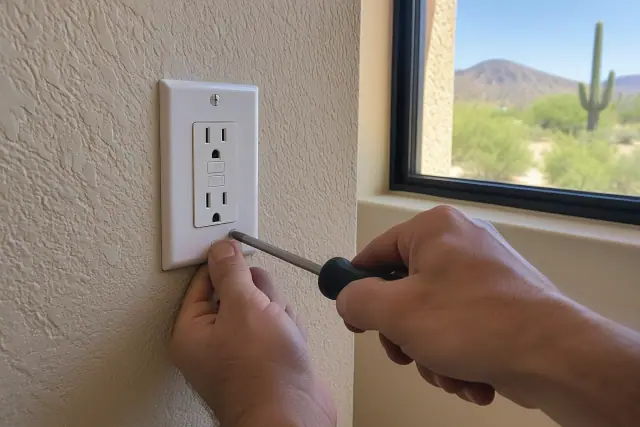
GFCI outlet installation on a stucco wall with natural window light in Phoenix, AZ.

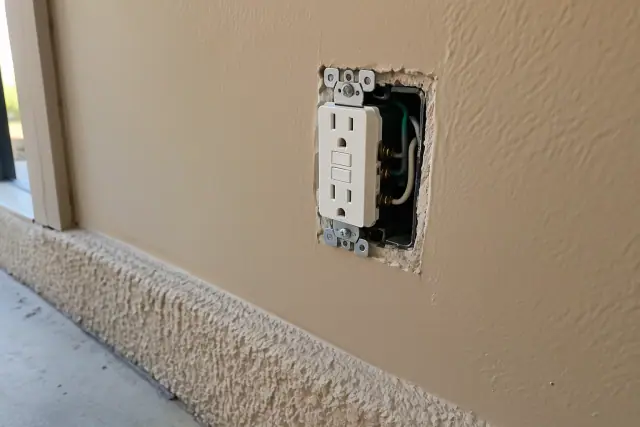
GFCI protection detects current leaking to ground and interrupts power to reduce shock risk. We assess kitchens, bathrooms, garages, laundry areas, and outdoor outlets, including locations near evaporative coolers, irrigation, and pool equipment.

Request Estimate

AFCI Protection and Breaker Replacement

Technician photo of a new arc-fault circuit breaker wired inside an open panel in a Phoenix, AZ garage.

AFCI devices monitor current patterns for dangerous series or parallel arcing that a standard breaker may not detect. We assess protection for bedrooms, living rooms, dens, and hallways and check the panel bus and breaker compatibility before recommending a replacement.

Request Estimate

Dedicated Circuit Installation

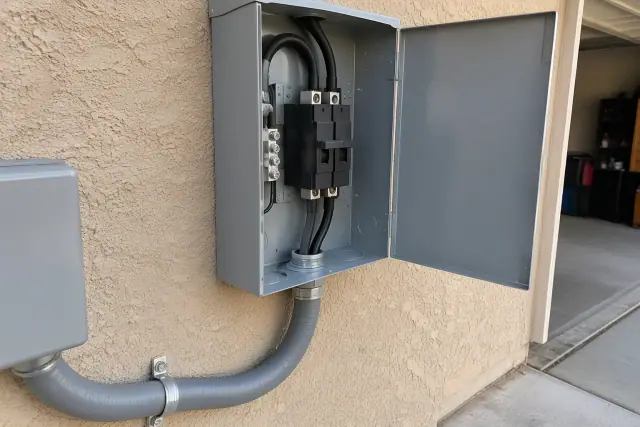
Electrical subpanel installation on a stucco garage wall in Phoenix, AZ.

A dedicated circuit gives an appliance its own breaker and wire run, without sharing the load with other outlets. We install circuits for major appliances and assess dedicated 20-amp circuits for microwaves, window AC units, and shop equipment that overload shared circuits.

Request Estimate

Electrical Panel Upgrades

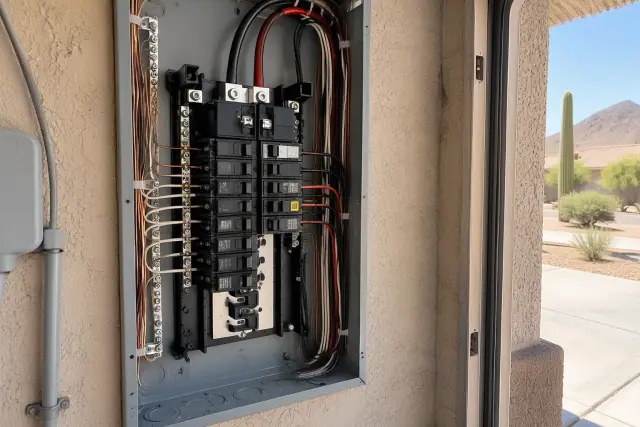
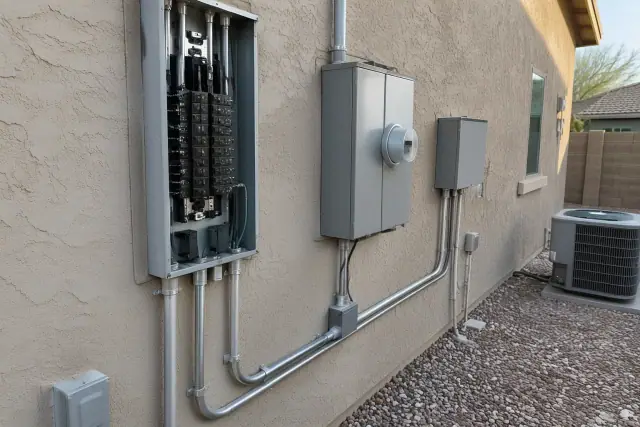
Electrical panel upgrade with a deactivated breaker box and conduit in Phoenix, AZ.

A home with an older 100-amp panel may need more capacity for HVAC, EV charging, or kitchen appliances. We calculate connected load under NEC Article 220 before recommending a 150- or 200-amp upgrade. The assessment also considers circuit space and future pool pumps or workshop equipment.

Request Estimate
Devices Matched to the Circuit

Outlet and Lighting Control Options

Choose devices around the appliance, room, and existing wiring. We check amperage, grounding, moisture exposure, and lighting compatibility before installing the option that fits.

Standard and tamper-resistant electrical receptacles installed in Phoenix, AZ.

Standard and Tamper-Resistant Receptacles

Ordinary outlets still need careful circuit matching. We check conductor size, device rating, and grounding before replacing a receptacle or extending a wire run.

  • 15-amp circuits commonly use 14 AWG copper for bedroom and living-room loads.
  • 20-amp circuits commonly use 12 AWG copper for kitchen, laundry, and garage loads.
  • 20-amp receptacles have a distinctive T-slot configuration.
  • Tamper-resistant receptacles suit new residential installations.
  • Correct polarity and grounding are checked after installation.
Request Estimate
Newly installed GFCI outlet for moisture-exposed areas in Phoenix, AZ.

GFCI Outlets for Moisture-Exposed Areas

Water-related electrical risks extend beyond the bathroom. Outdoor kitchens, pool decks, and garage workshops also need protection appropriate to their location and use.

  • Kitchen and bathroom receptacle protection assessed.
  • Garage and laundry outlet locations reviewed.
  • Outdoor outlets checked for GFCI protection.
  • Nearby irrigation and pool equipment considered.
  • GFCI trip function tested after installation.
Request Estimate
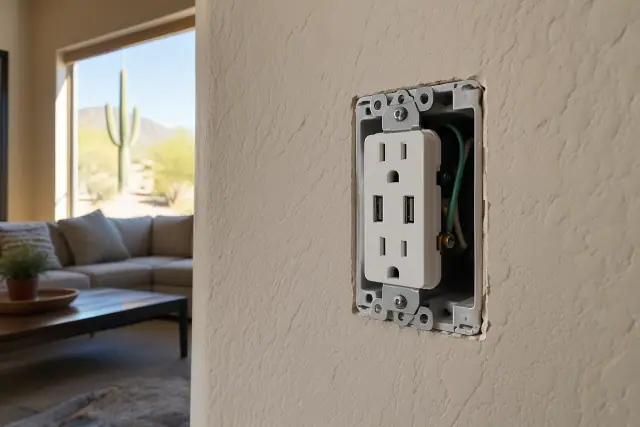
USB outlets installed in a residential living room wall in Phoenix, AZ.

USB Outlets and Better Charging Access

A 1970s floor plan may leave today's chargers and small appliances competing for too few outlets. USB-integrated receptacles and additional power points can improve access where devices are actually used.

  • USB-integrated receptacles for charging locations.
  • Additional outlets near home-office desks.
  • Bedside outlets within convenient reach.
  • Kitchen island locations included in the placement plan.
  • Fewer extension cords routed through living areas.
Request Estimate
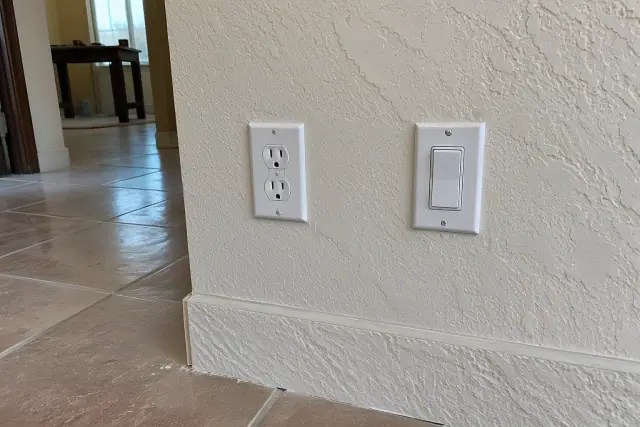
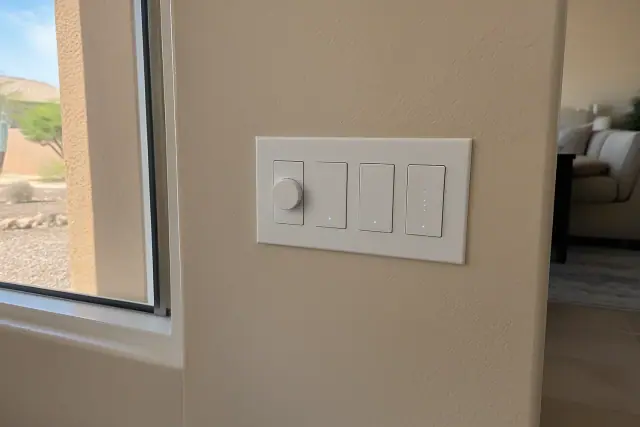
Smart switches and accessible controls installed on a wall in Phoenix, AZ.

Dimmers, Smart Switches, and Accessible Controls

Modern lighting controls need compatible bulbs and wiring. For accessibility work, switch placement considers a 15- to 48-inch range above the finished floor alongside the room layout and applicable requirements.

  • Dimmer selection matched to the LED bulb driver.
  • Buzzing and flickering checked before device replacement.
  • Smart switch neutral availability assessed at the box.
  • Three-way and four-way controls for multiple access points.
  • Consistent switch placement across remodeled rooms.
Request Estimate
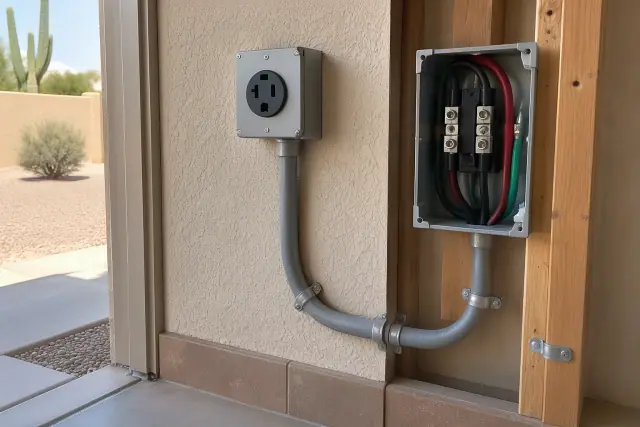
240-volt outlet and heavy wiring installed in a Phoenix, AZ home.

240-Volt Outlets and Appliance Circuits

Major appliances need a circuit matched to their nameplate requirements. Dedicated 240V work commonly involves breakers in the 30- to 50-amp range, depending on the unit, with the actual size determined for that appliance.

  • Electric range connections.
  • Dryer outlet installation.
  • EV charger power supply.
  • Dedicated circuits for electric water heaters.
  • HVAC condenser circuit assessment.
Request Estimate
Find the Cause Before the Repair

Choosing the Right Electrical Approach

A failed device, an overloaded circuit, and deteriorating wiring call for different repairs. We explain what the inspection reveals and whether the scope should stay at the outlet or extend back to the panel.

Diagnosis Before Replacement

A multimeter check at the panel helps trace why an outlet has lost power before a wall is opened. We check for upstream GFCI trips, loose connections, and breaker problems so a new receptacle does not leave the original fault unresolved.

Experience with Older Phoenix Wiring

Homes in Encanto, Arcadia, and Sunnyslope can still have original 1950s and 1960s wiring. We assess aluminum branch circuits, knob and tube wiring, and missing grounds with the home's existing condition in mind.

A Clear Scope Before Work Starts

A walkthrough establishes device locations, wire routes, panel condition, and wall access. We explain the recommended work and provide a quote before starting, including whether a simple replacement or a broader wiring project is needed.

Look Beyond the Device

Electrical Problems We Help Resolve

Warm faceplates, flickering lights, and repeated breaker trips deserve a look at the whole circuit. We inspect for issues such as double-tapped breakers, ungrounded three-prong outlets, undersized wire, and deteriorating insulation, then explain the repair options.

Request an Electrical Inspection

Dead Outlets and Loose Connections

An outlet can stop working because a GFCI farther along the circuit tripped, a backstab connection loosened, or a breaker failed. We trace the loss of power and inspect neutral connections instead of assuming the receptacle is the only problem.

Warm Faceplates and Loose-Fitting Plugs

Discoloration, warmth, sparking, and plugs that will not stay seated are reasons to arrange an electrical inspection. We check both the device and its connections, since replacing the faceplate does not address damage behind it.

Flickering Lights and Buzzing Dimmers

A failing dimmer, incompatible LED load, or loose neutral can cause recurring lighting problems. We identify which condition is present and match the repair to it, helping avoid another device swap months later.

Breakers That Trip During Normal Use

Summer AC use alongside kitchen appliances can overload a shared circuit. We compare the connected load with the circuit's capacity and assess whether a dedicated run is needed, rather than assuming repeated trips mean the breaker itself is faulty.

Aging Aluminum Branch Wiring

Aluminum branch wiring was common in homes built between 1965 and 1973. Oxidation and expansion at connections can create trouble at outlets and switches. We assess aluminum wiring replacement or COPALUM connector retrofitting to address those connection points.

Brittle Insulation and Missing Grounds

Phoenix attic temperatures can climb past 150 degrees in summer, adding heat stress to aging insulation. Knob and tube wiring also lacks a grounding conductor and can have brittle rubber insulation. Widespread deterioration calls for a rewiring assessment rather than repeated isolated repairs.

From Walkthrough to Testing

Our Outlet and Switch Installation Process

The work starts with understanding the problem and ends with testing the installed device. New wiring and panel changes also require an assessment of circuit capacity and the applicable permit scope.

01.

Walk Through the Property

Show us the dead outlet, troublesome switch, or location where you need new power. We review the panel, wiring access, and intended appliance or lighting load, then explain the scope and quote before work starts.

02.

Check the Circuit and Permit Scope

We assess circuit capacity, existing wiring, and any required new runs. For work that needs a permit, we handle the City of Phoenix Development Services Department process and include the required inspection in the plan.

03.

Isolate Power and Inspect the Box

Before removing the device, we shut off its circuit and verify that power is off. We inspect the box, conductor condition, and existing connections to identify damage or wiring issues that need attention.

04.

Install the Matched Device

We install the selected receptacle or switch using side-wire terminal connections. New conductor runs use copper THHN/THWN-2 suited to the installation, and smart switches are fitted where the neutral and box configuration allow.

05.

Check Connections and Test Operation

We check panel connections, including the neutral, and test the completed outlet for correct polarity and grounding. Where GFCI protection is installed, testing includes its trip function; switch work includes checking the intended lighting controls.

06.

Complete Required Inspection and Review

When the project requires an inspection, we schedule it as part of the permitted work. We review the completed scope and any wider wiring concerns found during the job so you understand what was repaired and what still needs attention.

Plan Your Electrical Work

Request an Outlet and Switch Estimate

Tell Phoenix House Rewiring which outlets or switches need attention, or where you want to add power. We will assess the circuit, explain the work involved, and give you a quote before installation begins.

Questions Before You Book

Outlet & Switch Installation FAQs

Get answers about replacement costs, installation time, circuit protection, and wiring concerns in Phoenix homes. The right scope depends on the device, its location, and the circuit behind it.

Call About Your Project

Cost depends on whether you are replacing an existing device or adding wiring to a new location. A standard replacement generally involves less work than a new 240V appliance outlet with a dedicated run back to the panel. We quote after reviewing panel condition, wire routing, and wall access so you know the cost before work starts.

We isolate the circuit, verify that power is off, and inspect the existing box and wiring before fitting the new device with side-wire terminal connections. Testing checks polarity, grounding, and GFCI trip function where applicable, along with the panel connection. A straightforward replacement typically takes under an hour per outlet.

New circuits, panel changes, and work that adds wiring generally require a permit in Phoenix, while simple like-for-like device replacements usually do not. We determine the requirements for the actual scope and handle necessary permits through the City of Phoenix Development Services Department. Required inspection is included in that process.

A single switch replacement usually takes well under an hour once we are on site. Three-way and four-way arrangements take longer because the traveler wiring between boxes needs to be traced. Smart switches may need additional work when the existing box lacks a suitable neutral.

A GFCI monitors outgoing and returning current and cuts power in a fraction of a second when it detects a ground fault. A standard receptacle does not provide that built-in ground-fault protection. We assess GFCI needs for kitchens, bathrooms, garages, laundry areas, and outdoor locations based on the installation.

Two-prong ungrounded outlets, loose-fitting plugs, warm or discolored faceplates, and sparking are reasons to have the circuit inspected. An outlet can look intact while aluminum or knob and tube wiring behind it needs attention. An electrical safety inspection helps distinguish a worn device from a broader wiring problem.

Use the built-in test button monthly to check GFCI operation. These devices typically need replacement every 10 to 15 years as their sensing components age, with heat exposure affecting condition. Have a device that does not test or reset correctly assessed.

The assessment includes NEC 210.8 ground-fault protection, including outlets within 6 feet of a sink, and bathroom receptacle circuits with a dedicated 20-amp supply. Kitchen countertop layout is checked for receptacle access within 24 inches of each point along the counter. We confirm the requirements that apply to the actual layout and work scope before installation.

AFCI requirements expanded under the 2014 NEC updates for many habitable rooms, but compatibility depends on the panel and breaker type. We inspect the panel bus and available compatible breakers before recommending the work. Some older panels need an upgrade to accommodate the appropriate protection.

The existing dimmer may be incompatible with the LED bulb driver, causing flicker or buzzing. A failing switch or loose neutral can produce similar symptoms. We check the cause before choosing a compatible dimmer or repairing the connection.

Yes, adding outlets or replacing individual devices may be appropriate when the supporting circuit is sound and has suitable capacity. Widespread insulation failure, missing grounds, undersized circuits, or mixed aluminum and copper wiring can call for broader work. We assess those conditions before recommending a localized installation or whole house rewiring.

The scope depends on square footage, attic and wall access, and whether drywall repair is included. Most whole-home projects take multiple days rather than a single visit. We provide a written estimate after a walkthrough and document permitted work, which can matter when a home is sold or its insurer reviews the wiring.

A panel-mounted whole house surge protector helps protect circuits against voltage spikes associated with monsoon lightning and grid switching. It supports protection for HVAC equipment, appliances, and electronics across the home. We assess it alongside the panel and wiring condition rather than treating it as a repair for existing electrical faults.