Proudly serving Phoenix, Scottsdale, Mesa, Glendale, Tempe, Chandler & surrounding areasCall or Text 24/7: 602-559-1353
Aerial drone view of Phoenix, AZ, showing residential neighborhoods with terracotta roofs and desert landscaping.

Electrical Safety Inspections in Phoenix, AZ for Home Wiring & Panel Assessments

Phoenix House Rewiring performs electrical safety inspections for homeowners in Phoenix, Arizona. We also replace aluminum and knob and tube wiring and upgrade electrical panels. Our services include troubleshooting, dedicated circuits, outlet and switch installation, GFCI and AFCI upgrades, and whole-home surge protection.

Phoenix attic temperatures can exceed 150°F in July and August, accelerating wear on older wiring insulation. Homes built from the 1950s through the 1970s may also have aluminum branch wiring or aging cloth insulation that needs closer evaluation. We use calibrated multimeters, circuit tracers, and thermal imaging to investigate faults that a visual walkthrough can miss. A written report explains the findings and separates urgent defects from improvements that can be scheduled later.

Your inspection includes panel evaluation, outlet testing, and grounding and bonding checks. Tell us about recurring breaker trips, warm outlets, recent renovations, or insurance paperwork when you request a visit.

Phoenix House Rewiring provides electrical safety inspections in Phoenix and nearby Scottsdale, Tempe, Mesa, Glendale, and Chandler.

★ ★ ★ ★ ★4.9/5 Customer Satisfaction · 29 Years of Electrical Experience · 2,500+ Electrical Projects Completed · Licensed, Bonded & Fully Insured · Rewiring Homes Across the Valley

Electrical Inspection Scope and Benefits

What Does an Electrical Safety Inspection Cover?

An electrical safety inspection examines the condition of your home's wiring, panel, outlets, switches, and grounding connections. It helps identify overheating, damaged insulation, overloaded circuits, and protective devices that no longer work correctly.

Testing goes beyond whether a light turns on or an outlet supplies power. We check polarity, grounding, and GFCI operation, inspect breaker connections, and compare panel capacity with household demand.

The findings are documented with photographs and repair priorities. That gives you a clearer basis for maintenance, rewiring decisions, insurance questions, or a planned home sale.

How an Inspection Helps You Plan Repairs

A useful inspection connects each finding to a practical next step. You can address identified safety hazards first and understand the reasons behind recommended upgrades.

  • Find overheating connections with thermal imaging
  • Identify cracked or brittle wiring insulation
  • Check breaker condition and panel capacity
  • Test outlet polarity and grounding
  • Verify GFCI operation near water sources
  • Assess grounding and bonding connections
  • Keep photographs and a written defect list
  • Separate urgent repairs from recommended upgrades
From Findings to Repairs

Inspection and Electrical Repair Services

Inspection findings guide the work that follows. We can trace an isolated fault, replace deteriorated wiring, or plan upgrades when the panel and circuits no longer suit the home's electrical demand.

Electrical Safety Inspections

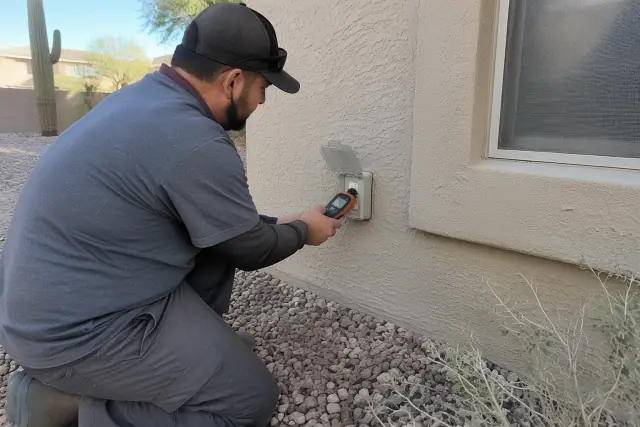
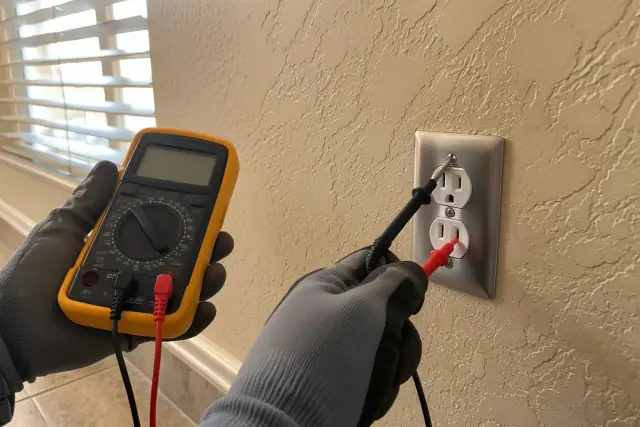
Technician testing a wall outlet with a digital multimeter during an electrical inspection in Phoenix, AZ.

We inspect visible wiring, panel components, outlets, switches, and grounding points. Testing and photographs help document defects that need attention and give homeowners a clear record of the system's condition.

Request Estimate

Older Wiring Replacement

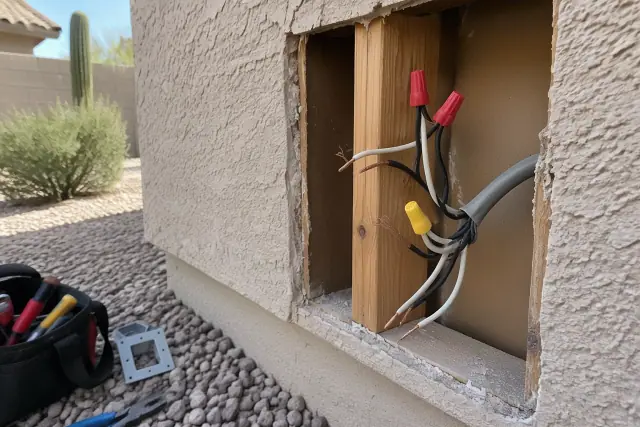
Older wiring replacement work during an electrical safety inspection in Phoenix, AZ.

We replace aluminum, knob and tube, and deteriorated cloth-insulated wiring. Depending on the condition and scope, aluminum connections may call for approved connectors or copper replacement; widespread deterioration may justify whole house rewiring.

Request Estimate

Panel Upgrades and Breaker Replacement

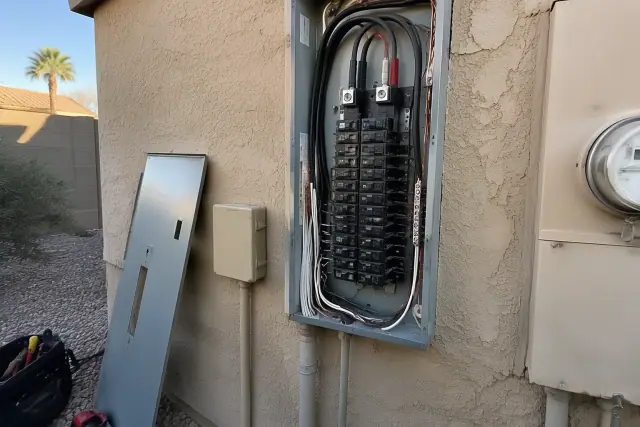
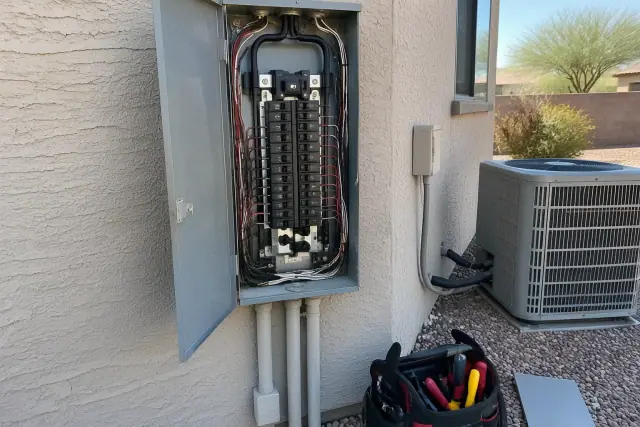
Electrical panel upgrade and breaker replacement on a stucco wall in Phoenix, AZ.

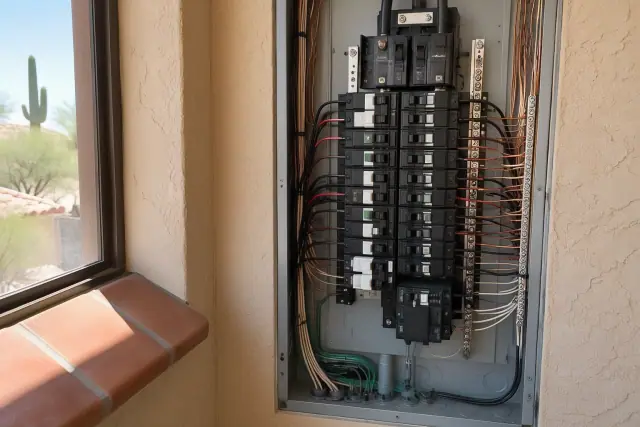
Panel evaluation covers amperage, corrosion, scorch marks, and breaker connections. When replacement is needed, we use UL 489-listed breakers matched to the panel manufacturer and plan panel upgrades around the home's load and meter configuration.

Request Estimate

Electrical Troubleshooting and Diagnostics

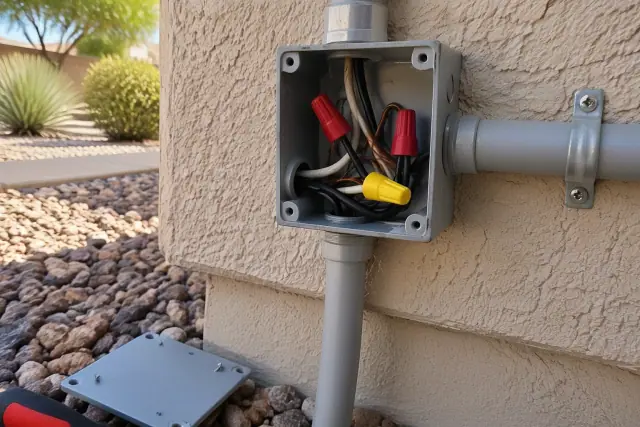
Open electrical junction box with exposed wires during an inspection in Phoenix, AZ.

Dead outlets, flickering lights, and repeated breaker trips can stem from loose neutrals or overloaded circuits. Circuit tracing and thermal imaging help locate the fault so the repair addresses its cause.

Request Estimate

Dedicated Circuits, Outlets, and Switches

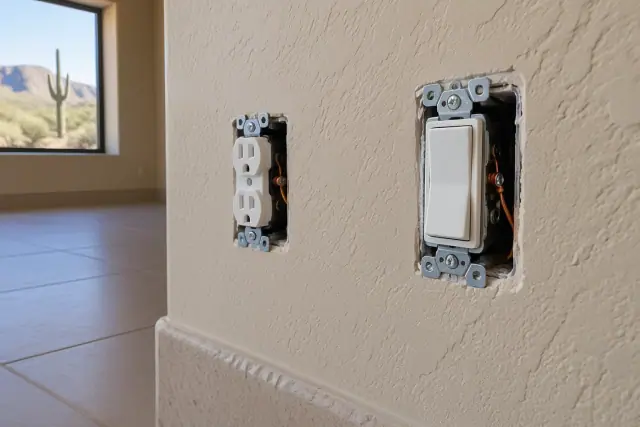
Electrical safety inspection of outlets and switches in a Phoenix, AZ home.

We install dedicated circuits sized to the amp draw of ranges, dryers, HVAC equipment, and EV chargers. Outlet and switch work addresses worn devices and connections, while circuit evaluation helps identify where shared loads are causing trips.

Request Estimate

GFCI, AFCI, and Surge Protection

Contractor progress photo of electrical panel safety upgrades inside a home in Phoenix, AZ.

GFCI and AFCI upgrades address different shock and arcing hazards. Whole-home surge protection adds panel-level protection against voltage spikes, while inspection checks whether existing protective devices need replacement.

Request Estimate
Match the Visit to Your Home

Choose the Right Inspection Scope

A full-home inspection provides the broadest view of the electrical system. A focused panel assessment or evaluation of older wiring, added equipment, or transaction paperwork can address a more specific concern.

Contractor testing an outlet during an electrical safety inspection at a home in Phoenix, AZ.

Whole-Home Electrical Assessment

This scope brings together the visible wiring review, panel inspection, device testing, and grounding evaluation. It is useful when you need an overall picture of the home's electrical condition.

  • Visible wiring and insulation condition
  • Panel and breaker connections
  • Outlet polarity and grounding
  • Switch condition and heat buildup
  • Written findings with repair priorities
Request Estimate
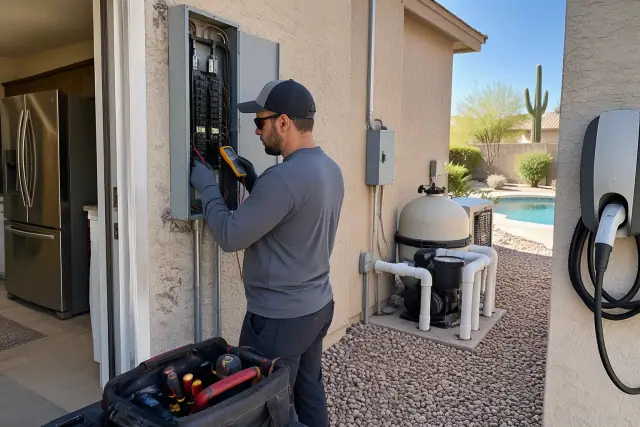
Contractor performing an electrical panel safety inspection on a stucco wall in Phoenix, AZ.

Panel and Electrical Load Evaluation

Many homes with HVAC, EV charging, and pool equipment may need 150-200 amp service, compared with the 60-100 amp services common in 1960s construction. We assess actual demand before recommending a capacity change.

  • Panel amperage and household demand
  • Double-tapped breaker connections
  • Scorch marks and overheated components
  • Corrosion and water intrusion
  • Breaker compatibility and equipment condition
Request Estimate
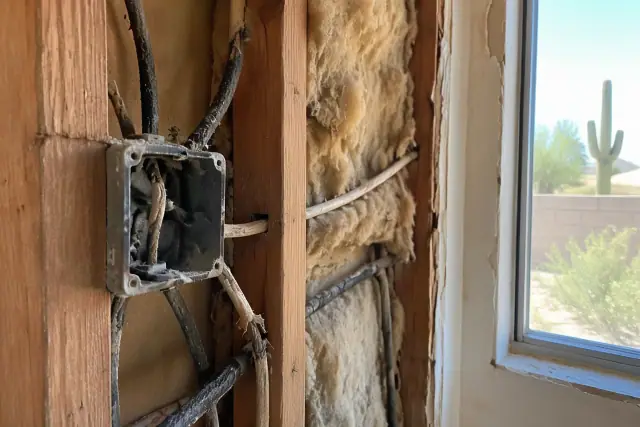
Contractor photo of older wiring and frayed insulation during an electrical safety inspection in Phoenix, AZ.

Older Wiring and Insulation Review

Homes that are 40, 50, or even 70 years old may contain several generations of wiring. We examine the materials and connections, including the undersized panels found in properties built before 1978, to assess what needs repair or replacement.

  • Single-strand aluminum branch wiring
  • Knob and tube conductors
  • Rubber and cloth insulation
  • Ungrounded two-prong outlets
  • Mixed wiring from additions and remodels
Request Estimate
Electrical safety inspection of appliance, pool, and EV circuits by a technician in Phoenix, AZ.

Appliance, Pool, and EV Circuit Checks

New equipment can change the load on an older electrical system. A focused evaluation checks circuit sizing and connections for major appliances, pool equipment, detached workshops, or an EV charger.

  • Appliance amp draw and circuit sizing
  • HVAC condenser circuits
  • EV charger electrical demand
  • Pool circuits and bonding
  • Detached workshop wiring
Request Estimate
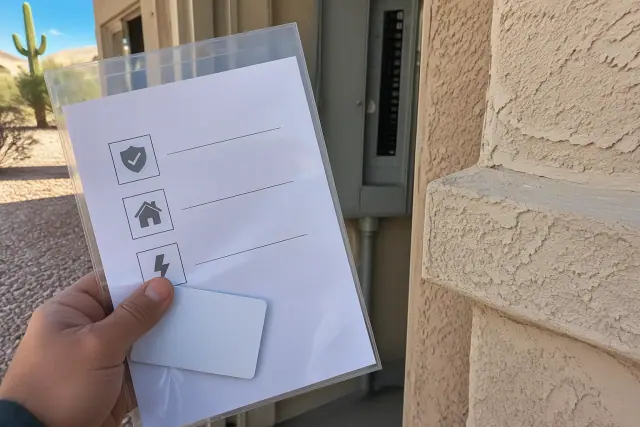
Contractor photo of electrical safety inspection documents against a desert stucco wall in Phoenix, AZ.

Insurance and Home-Sale Documentation

Some insurers or title companies request electrical safety documentation, especially for homes over 40 years old or properties with known aluminum or knob and tube wiring. Confirm their requirements so the requested inspection and report address the paperwork you need.

  • Photographs of observed defects
  • Written electrical condition findings
  • Immediate safety hazard priorities
  • Code-related repair recommendations
  • Recommended upgrades for future planning
Request Estimate
A Clear Basis for Decisions

Make Informed Electrical Repair Decisions

Choose an inspection that explains how each defect was identified and what it means for your home. Our approach combines electrical testing, experience with older valley homes, and a report organized around repair priorities.

Licensed Electrical Evaluation

Our electricians work under Arizona Registrar of Contractors requirements. Inspections reference the National Electrical Code (NEC/NFPA 70) and International Association of Electrical Inspectors guidance to evaluate wiring, protection, grounding, and bonding.

Testing Beyond a Visual Walkthrough

Calibrated multimeters measure electrical conditions, circuit tracers follow undocumented runs, and thermal imaging helps locate overheating connections. These tools are especially useful where additions and remodels have left the wiring difficult to follow.

Clear Repair Priorities

You receive photographs, a defect list, and a written distinction between immediate safety hazards, code violations, and recommended upgrades. We explain inspection pricing before work begins and help you understand which findings need attention first.

Older Home Warning Signs

Identify Hidden Electrical Hazards

Our experience with older valley housing includes knob and tube systems in Encanto and Willo Historic District homes and aluminum wiring in Maryvale and Sunnyslope. We look at wiring condition and household demand together so recommendations address the problems actually found.

Request an Inspection

Heat-Damaged Wiring Insulation

Repeated attic heat can make old rubber and cloth insulation brittle enough to crack. Exposed conductors are a reason to evaluate replacement, a concern also seen in older homes near downtown and Roosevelt Row.

Overheating Aluminum Connections

Single-strand aluminum branch wiring from 1965-1973 can oxidize at connections, increasing resistance and heat. Arcadia, Coronado, and Windsor Square contain homes from this building period where the wiring type and connection condition deserve careful attention.

Knob and Tube Near Attic Insulation

Knob and tube systems found in homes built before 1950 lack a ground conductor. Added blown-in attic insulation can create another concern where it contacts this older wiring, making an inspection useful before further attic work.

Overloaded or Undersized Panels

An undersized 60-amp service can struggle with modern household loads. Repeated trips, mixed wiring generations, and double-tapped breakers call for an assessment of the panel and circuits before more appliances are added.

Ungrounded Outlets and Failed GFCIs

Two-prong outlets and failed GFCI devices warrant closer evaluation of grounding and shock protection. We test outlet polarity, grounding, and GFCI operation, including devices in kitchens, bathrooms, garages, and outdoor areas.

Moisture and Corrosion at Electrical Equipment

Monsoon moisture, dust infiltration, and swamp cooler drainage can contribute to deterioration around electrical equipment. We look for rust, water intrusion, and damaged connections at the panel, weatherhead, and grounding points.

What Happens During the Visit

Our Electrical Safety Inspection Process

A thorough inspection typically takes one to three hours, depending on the home's square footage and panel complexity. The visit combines visual checks, electrical testing, and a written explanation of the findings.

01.

Walk Through the Property

We begin with visible wiring, the panel exterior, weatherhead, and grounding rods. This review looks for damaged insulation, corrosion, and evidence of water intrusion before the more detailed testing begins.

02.

Evaluate the Panel and Breakers

We inspect inside the panel for double-tapped breakers, scorch marks, loose connections, and outdated equipment. The panel's amperage rating is considered alongside the electrical demand from appliances and other major loads.

03.

Test Outlets and Switches

Outlets are tested for correct polarity, grounding, and GFCI operation where applicable. Switches are checked for heat buildup and appropriate load handling, with defective devices included in the report.

04.

Verify Grounding and Bonding

We examine grounding electrode connections, bonding jumpers, and neutral-ground separation against applicable NFPA 70 requirements. Piecemeal rewiring and past additions can make these connections particularly important to review.

05.

Trace Circuits and Check for Heat

Circuit tracers help map undocumented wiring runs through additions and remodels. Thermal imaging helps locate overheating breakers, lugs, and connections that may not show obvious damage during a visual check.

06.

Review the Report and Next Steps

We explain the photographs, observed defects, and repair priorities in your written report. If the findings call for a panel upgrade or broader rewiring, we discuss the scope and the permitting and inspection coordination involved.

Start with Your Home's Condition

Schedule Your Electrical Safety Inspection

Tell Phoenix House Rewiring about your home's wiring concerns, recent appliance additions, or insurance and home-sale requirements. We will discuss the inspection scope and price before work begins, so you know what the visit includes.

Before You Book

Electrical Safety Inspection FAQs

Find answers about inspection pricing, the visit, older wiring, and follow-up work. The right scope depends on your home's electrical condition and the reason for the inspection.

Call About Inspections

A standard residential inspection generally costs $300 to $500 for a home under 2,500 square feet, while a panel-only inspection generally runs $150 to $300. Larger homes, pool circuits, detached workshops, or EV charger evaluations typically add $100 to $300 to the base price. Phoenix House Rewiring explains the price before starting, based on the agreed scope and the home's electrical layout.

Free checks are often limited visual walkthroughs rather than full electrical inspections. A $50 advertised offer may also leave out panel testing, grounding verification, or outlet-by-outlet testing. Ask what is included and whether you receive photographs and a written report; a complete inspection involves testing equipment and licensed labor.

We review visible wiring, inspect the panel and breakers, test outlets and switches, and check grounding and bonding. Circuit tracing and thermal imaging help investigate undocumented runs and overheating connections. The visit typically takes one to three hours, depending on the home, and the findings are documented with photographs and repair priorities.

Ask the insurer or lender what documentation they require before booking. Some carriers may delay or decline coverage on an older home without current electrical safety documentation, particularly where aluminum or knob and tube wiring is known. An inspection report records the findings and any repairs recommended, but the requesting organization determines whether its requirements have been met.

We recommend an inspection every three to five years for homes with modern copper wiring in good condition. For homes with aluminum wiring, knob and tube, or a panel over 25 years old, we recommend an annual inspection. Additions, pool installations, and major appliance upgrades are also reasons to check whether the existing panel and circuits suit the added demand.

Buyers or their lenders may request an inspection, especially for homes over 30 years old. Having the electrical system checked before listing can help you identify defects and plan repairs ahead of negotiations. Keep the report and repair records available for the transaction.

Panel upgrade planning includes permit filing with the City of Phoenix Development Services Department or the applicable municipal building department, followed by the required inspection. Phoenix House Rewiring coordinates the filing and inspection schedule for its panel upgrade projects. The amperage, meter configuration, and any coordination with Salt River Project or APS affect the project scope.

Warm outlet covers, flickering lights, frequent breaker trips, and a persistent burning smell near the panel warrant prompt professional attention. These symptoms can come from loose connections, overloaded circuits, or deteriorated components. Troubleshooting helps identify the cause instead of assuming every symptom requires a whole-house rewire.

The condition and extent of older wiring determine whether isolated repairs are enough. If more than a third of the circuits contain knob and tube, aluminum, or cloth wiring, it is worth comparing complete rewiring with continued patch repairs. The inspection helps assess the defects and explain the options for your home.

A whole house rewiring project typically takes three to seven days, depending on square footage, attic access, and wall construction. Permitting and the required rough-in and final inspections also need coordination. We discuss the proposed scope and schedule after evaluating the wiring.

GFCI devices address ground-fault shock hazards, while AFCI devices detect arcing conditions associated with electrical fires. We evaluate these protections as part of the inspection and can replace failed devices or plan upgrades. GFCI devices may wear out after repeated trips within 10-15 years of service, so testing matters even when a device is already installed.

Lightning-driven grid surges can damage appliances and electronics during Arizona's monsoon season. A UL 1449-rated surge protector installed at the panel helps limit damaging voltage spikes entering the home's circuits. It complements the wiring and protective-device evaluation rather than correcting existing electrical defects.

Rewiring cost depends on square footage, the number of circuits, panel condition, and access to the wiring. Open attic or crawlspace access can reduce labor compared with solid masonry construction. The inspection helps establish which circuits and components need work so the proposed scope reflects the home's condition.