Proudly serving Phoenix, Scottsdale, Mesa, Glendale, Tempe, Chandler & surrounding areasCall or Text 24/7: 602-559-1353
Aerial drone view of Phoenix, AZ, showing residential neighborhoods with terracotta roofs and desert landscaping.

Dedicated Circuit Installation in Phoenix, AZ for Appliance & EV Charger Wiring

Phoenix House Rewiring installs dedicated circuits in Phoenix, AZ, for appliances that need their own power supply. We wire kitchen equipment, electric dryers, pool pumps, hot tubs, EV chargers, and cooling equipment. Our related services include electrical panel upgrades, aluminum wiring replacement, and knob and tube wiring replacement. We also handle electrical troubleshooting, safety inspections, GFCI and AFCI upgrades, circuit breaker replacement, outlet and switch installation, and whole-home surge protection.

Phoenix summers place heavy demands on air conditioners, refrigerators, and pool equipment. Many homes built during the 1970s and 1980s have shared circuits that struggle with today's appliance loads. If the microwave interrupts power to the kitchen or a backyard spa overloads a shared line, we check the appliance requirements and available panel capacity. Our Arizona ROC-licensed crews plan the wiring route and explain any panel work needed before installation.

Get a free electrical quote based on the panel condition, appliance location, and wiring route. We provide the scope and cost before work begins.

Phoenix House Rewiring installs dedicated circuits in Phoenix and nearby Scottsdale, Tempe, Mesa, Glendale, and the greater Maricopa County metro area.

★ ★ ★ ★ ★4.9/5 Customer Satisfaction · 29 Years of Electrical Experience · 2,500+ Electrical Projects Completed · Licensed, Bonded & Fully Insured · Rewiring Homes Across the Valley

Dedicated Circuit Options & Benefits

What Is a Dedicated Circuit?

A dedicated circuit runs from the breaker panel to a single appliance or outlet, with no other lights or devices sharing that breaker. Its wire size, breaker rating, and connection are selected for the equipment it serves.

An ordinary shared 15-amp household circuit may be carrying lighting and several outlets at once. Adding another appliance can exceed what that shared line can reliably supply, even when the appliance itself is working normally.

The right installation starts with the equipment nameplate and your existing electrical system. We check the required voltage and amperage, then assess the panel and route before selecting the circuit components.

Why Give an Appliance Its Own Circuit?

Separating major appliances from shared wiring helps address overloads and power interruptions. A dedicated circuit also gives each installation a clearly identified breaker and a connection matched to its load.

  • Reduce nuisance trips caused by appliances sharing a breaker
  • Separate refrigerator power from countertop appliance use
  • Support compressors without competing loads on the same line
  • Reduce voltage sag affecting sensitive office equipment
  • Match the breaker and conductors to the appliance requirements
  • Provide suitable power for garage and backyard equipment
  • Include GFCI or AFCI protection where the installation requires it
  • Make the new circuit easier to identify with panel labeling
Appliance Power

Dedicated Circuit Installation Services

We install individual appliance circuits for kitchens, laundry rooms, garages, and outdoor equipment. Each job includes a panel assessment, wiring route, matched breaker, and load testing, with any required permits and inspections addressed as part of the work.

Microwave Circuits

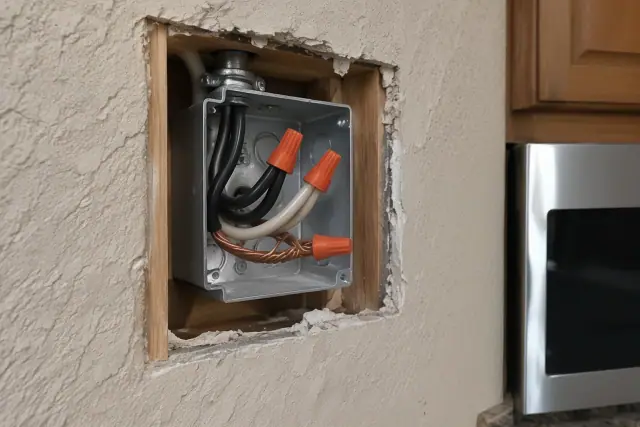
Exposed copper wiring in a residential junction box during a microwave circuit installation in Phoenix, AZ.

Built-in and over-the-range microwaves typically call for a dedicated 20-amp, 120V circuit under their manufacturer specifications. We check those requirements and separate the microwave from competing kitchen loads such as a toaster or coffee maker.

Request Estimate

Dishwasher Circuits

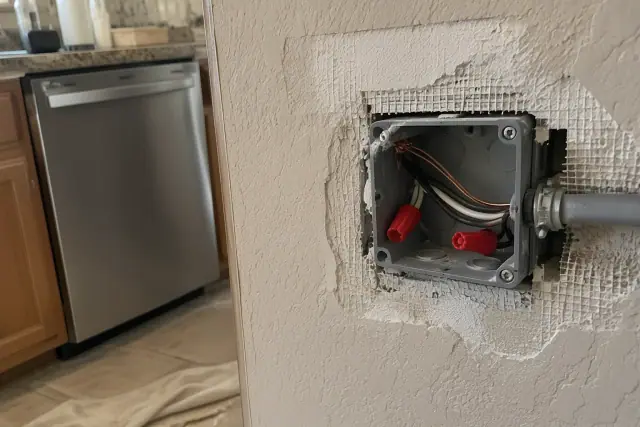
Dedicated dishwasher circuit wiring inside a wall junction box in Phoenix, AZ.

Dishwashers may need a dedicated 15 or 20-amp circuit, depending on the appliance. We size the connection to the nameplate and review GFCI protection for the installation near sink plumbing and water lines.

Request Estimate

Electric Dryer Circuits

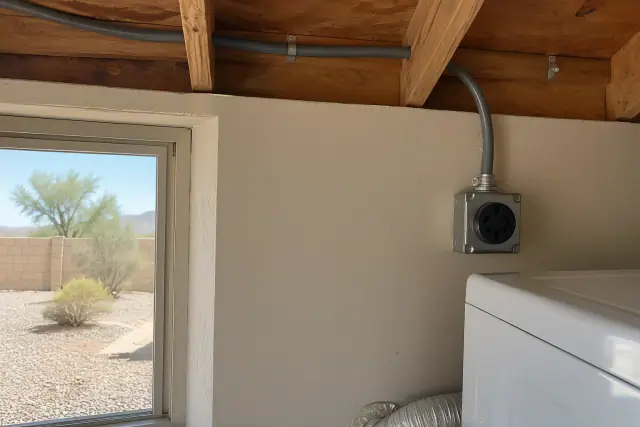
Electric dryer circuit installation with heavy-duty cable run in Phoenix, AZ.

Electric dryers require a dedicated 240V, 30-amp circuit with a double-pole breaker and four-wire outlet. We use appropriately configured 10-gauge wiring for this load and check the connection against the dryer requirements.

Request Estimate

Pool Pump Circuits

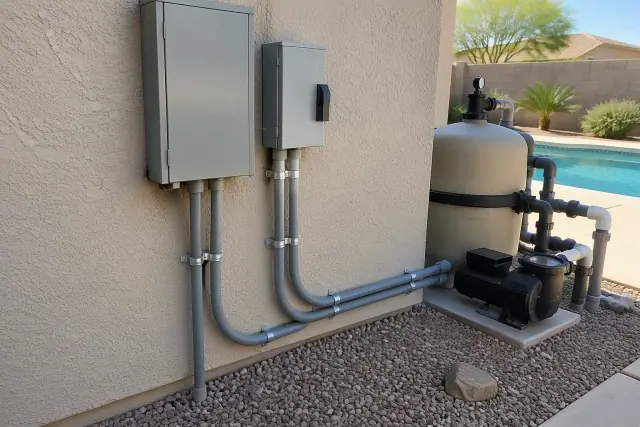
Pool pump circuits connected with heavy-duty conduit on a home exterior in Phoenix, AZ.

Pool pumps typically use a dedicated 20 or 30-amp, 240V circuit with a weatherproof disconnect nearby. With many Phoenix pools operating nine to ten months a year, we check older equipment wiring for undersized conductors as part of the installation.

Request Estimate

Hot Tub and Spa Circuits

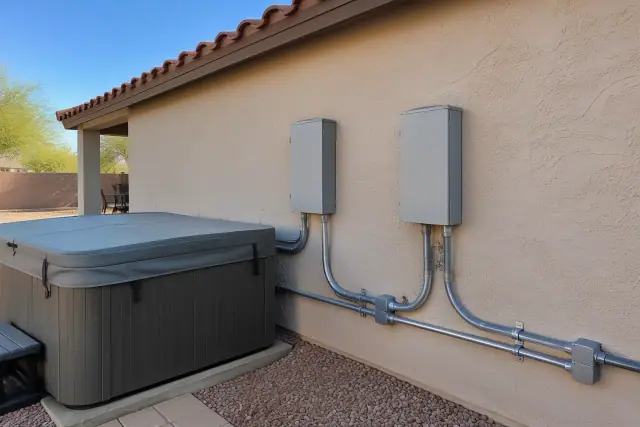
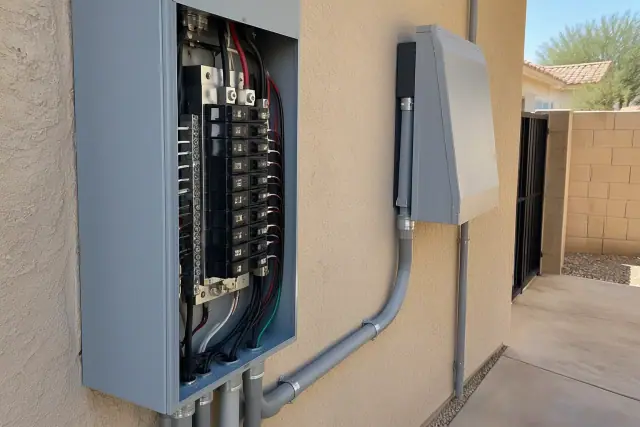
Hot tub and spa electrical circuit installation on a residential stucco wall in Phoenix, AZ.

Hot tubs usually need a dedicated 240V circuit rated from 40 to 60 amps, with GFCI protection and a disconnect within sight of the equipment. Backyard routes may require trenching and underground conduit, so access and distance matter when planning the work.

Request Estimate

EV Charger Circuits

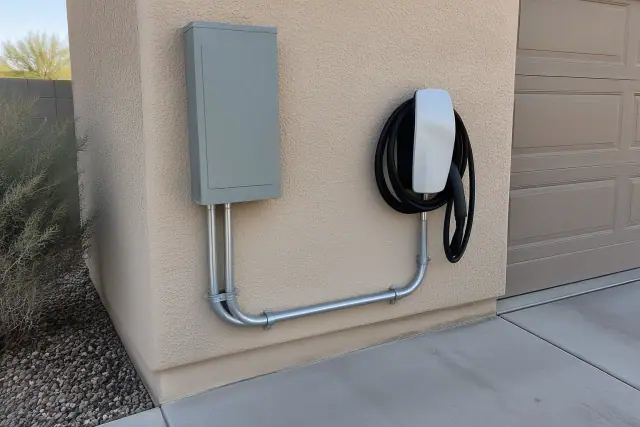
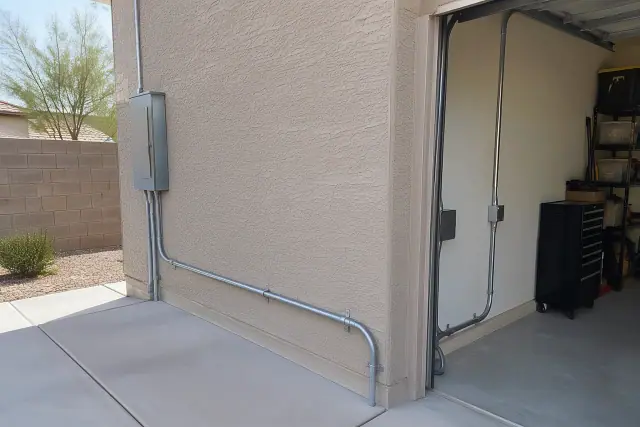
EV charger circuits with heavy-duty conduit on a stucco wall in Phoenix, AZ.

Level 2 EV chargers usually need a dedicated 240V circuit rated at 40 or 50 amps, based on the charger specifications. We assess the panel and garage route for installations in Phoenix, Scottsdale, and Chandler before selecting the wiring and breaker.

Request Estimate
Match the Load

Circuit Options for Your Home

Not every new electrical load belongs on the same type of circuit. We match everyday appliance connections, cooling equipment, office power, and outdoor wiring to their specific demands, while checking whether the existing panel can support the addition.

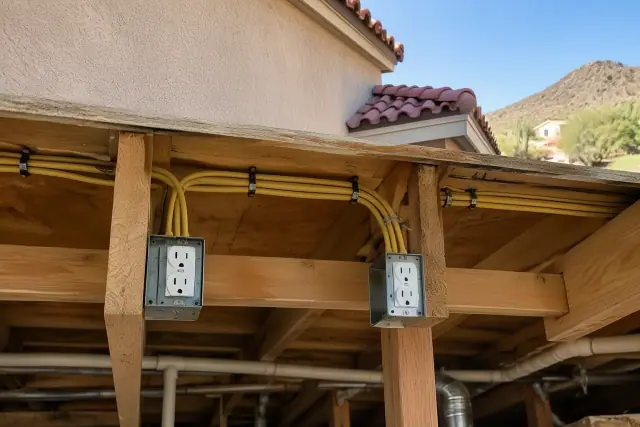
20-amp appliance and office circuits installed in Phoenix, AZ.

20-Amp Appliance and Office Circuits

A dedicated 20-amp circuit can separate kitchen appliances or home office equipment from general household loads. We review what will use the circuit so its capacity fits the intended equipment.

  • Microwave connections based on manufacturer specifications
  • Refrigerator power separated from disposal and countertop loads
  • Office circuits serving servers, monitors, and battery backups
  • Outlet ratings selected for the connected equipment
  • Breaker labeling that identifies the new circuit
Request Estimate
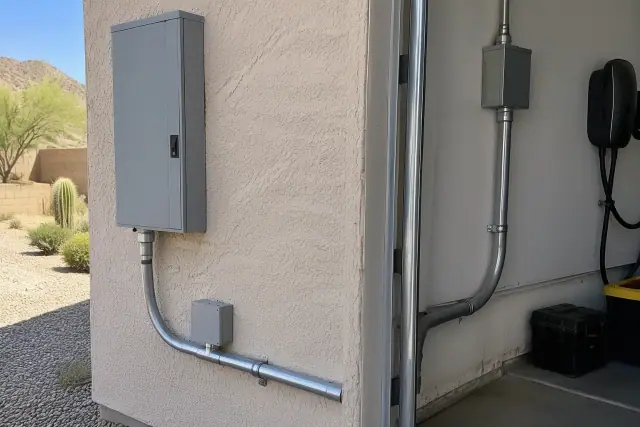
240V heavy-gauge conduit for dedicated circuit installation on a home exterior in Phoenix, AZ.

240V Circuits for Larger Loads

Ranges, dryers, hot tubs, and other larger appliances need a circuit matched to their voltage and current requirements. Double-pole breakers and the appropriate connection are selected as part of that assessment.

  • Appliance nameplate review before component selection
  • Double-pole breakers compatible with the panel
  • Conductor sizing matched to the circuit load
  • Rated outlet or equipment termination for the application
  • Load testing after the installation is complete
Request Estimate
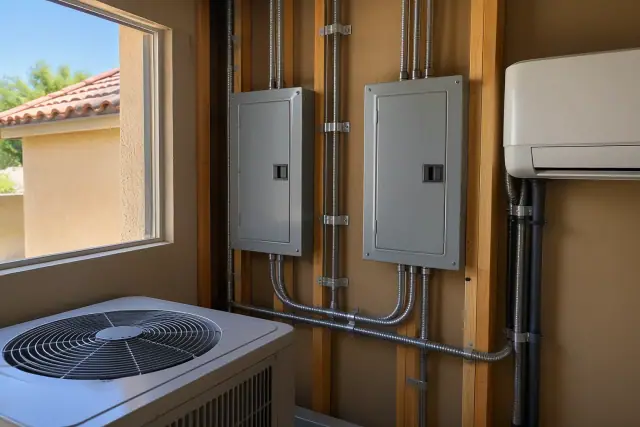
Armored electrical conduit for mini-split installation in a Phoenix, AZ utility room.

Air Conditioning and Mini-Split Circuits

Phoenix cooling systems may run almost continuously from May through September. Central AC condensers and air handlers need their own circuits, while mini-splits typically require 15 to 30 amps depending on unit capacity and manufacturer specifications.

  • Separate power for central cooling equipment
  • Mini-split circuits sized to the equipment requirements
  • Cooling additions for converted garages
  • Dedicated wiring for casitas and home additions
  • Capacity checks before adding another cooling load
Request Estimate
Conduit installed on a stucco exterior wall for dedicated circuit wiring in Phoenix, AZ.

Outdoor and Garage Wiring Routes

Exterior and garage runs may call for THHN conductors in conduit. We consider exposure, equipment location, and the route from the panel when planning protection for pool equipment, spa connections, and other outdoor loads.

  • Conduit routes suited to the installation location
  • GFCI protection for applicable garage and exterior connections
  • Weatherproof disconnects for pool equipment
  • Accessible equipment disconnect locations
  • Trenching needs included in the project scope
Request Estimate
Electrical panel and heavy wiring upgrades on a jobsite in Phoenix, AZ.

Panel and Wiring Upgrades

An added circuit may reveal a need for broader work, especially in older homes in Coronado, Willo, or Garfield. Moving from a 100-amp to a 200-amp panel is a common consideration as homeowners add EV charging, cooling equipment, and hot tubs.

  • Available breaker space and panel capacity assessment
  • Compatible breaker replacement when needed
  • Subpanel or panel upgrade review for added loads
  • Copper replacement of outdated aluminum branch wiring
  • Whole-house rewiring evaluation where existing wiring is unsuitable
Request Estimate
Panel, Route, and Cost

Plan the Right Dedicated Circuit Installation

A new breaker alone does not establish that your home can support another appliance. We assess capacity, equipment requirements, and access, then explain how those findings shape the installation and quote.

Check Panel Capacity First

We inspect open breaker slots, bus bar capacity, and the panel's overall condition before adding a circuit. A panel installed before the mid-1980s, including an older Federal Pacific or Zinsco panel, may need an upgrade before it can accommodate the work.

Experience with Phoenix Homes

Our crews work on mid-century ranch homes near Encanto as well as newer properties toward Ahwatukee and Desert Ridge. That range of local housing means planning for different panel locations, existing wiring, and access through walls or attics.

A Written Scope and Free Quote

Most residential dedicated circuit installations in Phoenix generally cost $250 to $900, with many homeowners spending around $650. Larger 240V projects can reach $1,100 or more when trenching, conduit, or a subpanel is involved. We assess the route and equipment before providing a written estimate.

Solve the Underlying Problem

Why Choose Us for Circuit Installation?

Phoenix House Rewiring combines circuit installation with troubleshooting, safety inspections, and panel or wiring upgrades when needed. We look at the cause of a power problem before recommending the work, so the new circuit addresses the appliance load and the condition of the existing system.

Get a Free Quote

Kitchen Breakers Keep Tripping

A microwave sharing power with the toaster or coffee maker can interrupt the same kitchen circuit during normal use. We check the appliance load and shared outlets, then plan a separate supply where needed.

Lights Flicker When Equipment Starts

Shared circuits in homes built before the 1990s may struggle with today's appliance count. If lights flicker or office equipment loses power as another load starts, electrical troubleshooting helps determine whether overloaded wiring is contributing.

A Shared Breaker Shuts Off the Refrigerator

A refrigerator on the same breaker as a disposal or countertop appliance can lose power when another device trips the circuit. Separating its supply reduces that shared-load interruption and the risk of food spoilage.

Old Wiring Limits New Equipment

Aluminum branch wiring found in homes built between 1965 and 1973 can develop loose, overheating connections. Older knob and tube wiring also lacks a grounding conductor. We inspect these conditions before deciding whether wiring replacement should accompany a new appliance circuit.

The Panel Has No Room for Another Circuit

A full breaker panel or insufficient capacity can complicate an EV charger, hot tub, or cooling addition. We evaluate the existing load and panel condition to determine whether the project needs a subpanel or a panel upgrade.

Outdoor Equipment Has Undersized Wiring

Older pool equipment wiring and a hot tub connected to a shared household line can be poorly matched to the equipment's demand. We check circuit sizing, GFCI protection, and disconnect arrangements before planning the replacement run.

From Assessment to Testing

Our Dedicated Circuit Installation Process

We work from the appliance requirements through panel assessment, routing, installation, and testing. The project also includes arranging permits and inspections as required for the location and scope.

01.

Confirm the Appliance Requirements

We review the appliance nameplate and manufacturer specifications for voltage, amperage, and connection type. This establishes what the new circuit needs to supply before we choose cable, an outlet, or a breaker.

02.

Assess Capacity and Plan the Work

We calculate the available panel capacity and inspect breaker space, bus bars, and existing wiring. The quote accounts for the planned route and any panel modifications, with required permitting addressed for the project.

03.

Route the New Conductors

We select wiring for the specific load and route, using materials such as 12-2 or 10-2 NM-B cable where appropriate and THHN conductors in conduit for applicable exterior or garage runs. Wall access, attic access, and trenching needs guide the routing plan.

04.

Install the Matched Breaker

The circuit receives a properly rated breaker compatible with the panel manufacturer. We use a single-pole breaker for an appropriate 120V load or a double-pole breaker for a 240V load, and address worn or incompatible breakers identified during the work.

05.

Connect the Outlet or Equipment

We terminate the circuit at the connection required by the appliance, with outlet ratings such as 20-amp, 30-amp, or 50-amp selected for the load. GFCI or AFCI protection and equipment disconnects are included where the installation requires them.

06.

Test, Label, and Complete Inspection

We test the new circuit under load and label its breaker so the equipment supply is easy to identify. Required inspections are scheduled to complete the installation process.

Plan Your Installation

Request a Dedicated Circuit Quote

Tell us which appliance you are adding or which shared circuit is causing trouble. Phoenix House Rewiring will assess the panel and wiring route, explain any related work, and provide a free electrical quote before installation.

Appliance Circuit Questions

Dedicated Circuit Installation FAQs

Find answers about circuit costs, appliance requirements, panel capacity, and the work involved in adding a dedicated supply to your Phoenix home.

Call About Your Circuit

Most residential jobs generally run from $250 to $900, with many standard 20-amp installations around $650. Larger 240V circuits can reach $1,100 or more when trenching, conduit, or panel modifications are involved. We assess the panel and appliance location before providing a written estimate.

Before considering homeowner electrical work, check the permit and inspection requirements for your property with the local building department. Circuit additions involve wire sizing, breaker compatibility, and grounding, where mistakes can create fire or shock hazards. Our Arizona ROC-licensed crews handle installation and arrange required permitting and inspections.

We confirm the appliance requirements, calculate panel capacity, and plan the cable route. Installation includes the matched breaker and outlet or equipment connection, followed by testing under load and panel labeling. Exterior routes may also involve conduit, a disconnect, and GFCI protection.

A dedicated circuit supplies a single outlet or appliance from its own breaker, without other lights or devices sharing that supply. Its wiring and breaker are matched to the intended equipment rather than a collection of general household loads.

The number depends on the appliances, their specifications, and the available panel capacity. We review kitchen equipment, laundry appliances, cooling equipment, and any pool, spa, or EV charging loads individually. Homes with additions, converted garages, or newer HVAC equipment may need two to four more dedicated circuits than the original panel was designed to support.

Not every outdoor receptacle needs its own circuit; the connected equipment and intended use determine that. Pool pumps, spa equipment, and higher-draw outdoor appliances may need a separate supply, while a general outlet for seasonal lighting may not. We also review the GFCI protection required for the location.

We match the breaker to the appliance requirements and the conductors serving it, while checking compatibility with the panel. A dryer uses a 30-amp double-pole breaker, while a range or hot tub can call for 40 to 50 amps depending on its specifications. Installing a larger breaker by itself does not make undersized wiring suitable for a larger load.

An upgrade may be necessary if the panel lacks capacity, has no suitable breaker space, or is in poor condition. We inspect those factors before adding a circuit and explain whether a subpanel, breaker replacement, or panel upgrade belongs in the project.

A dedicated 20-amp circuit can help separate servers, multiple monitors, and battery backups from competing household loads. We assess the intended equipment and investigate voltage sag or shutdowns before recommending the circuit.

GFCI protection addresses shock risks and is considered for applicable kitchen, bathroom, garage, and exterior connections. AFCI protection addresses arcing faults and is relevant to applicable bedroom and living area circuits. We review both for the installation, particularly in homes with aging wiring from the 1960s and 1970s.

The planned route and equipment requirements determine the conductor type and size. We use NM-B cable for suitable interior runs and THHN conductors in conduit for applicable exterior or garage routes. The complete wiring configuration must match the appliance connection as well as the circuit load.

The amount of access work depends on the path between the panel and the appliance. An accessible attic route can be simpler than fishing cable through finished walls, and some outdoor installations require a trench for conduit. We account for access and any drywall, stucco, or slab repair needs when explaining the scope and cost.

We arrange permits and inspections as required for the project through the City of Phoenix or the applicable local jurisdiction. The installation is planned around the National Electrical Code requirements and local amendments that apply to the property. Permit fees and any related work are considered in the project scope.