Unsafe Wiring and Connections
Cracked insulation and splices outside accessible junction boxes can expose live conductors. An electrician should check damaged wiring and loose connections before the inspection.
Phoenix House Rewiring explains the wiring, outlet, and panel defects that can hold up an electrical inspection in Phoenix. Damaged insulation, improper splices, inadequate grounding, and missing required protective devices can create fire or shock hazards. The findings and the requirements that apply to the work determine which corrections are needed before approval.
Cracked insulation and splices outside accessible junction boxes can expose live conductors. An electrician should check damaged wiring and loose connections before the inspection.
Ground-fault circuit interrupters (GFCIs) reduce shock risk, while arc-fault circuit interrupters (AFCIs) address hazardous arcing. The electrician should verify the protection required for each affected circuit and room.
Keep the inspector's correction notice and have each item addressed. Confirm the permit status and access to the repaired work before arranging another inspection.
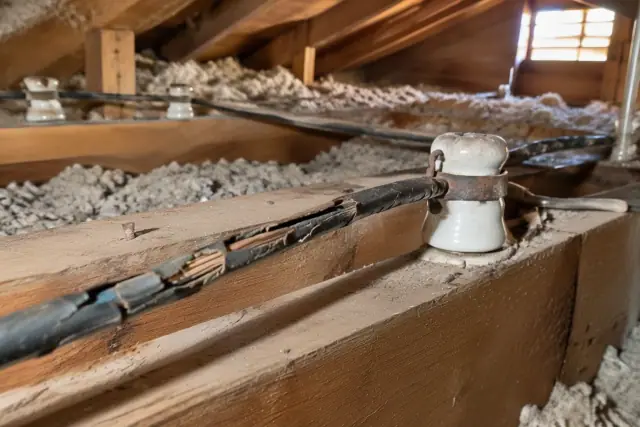
Brittle, melted, or rodent-chewed insulation can leave conductors exposed. Attic wiring condition matters when assessing an older Phoenix home.
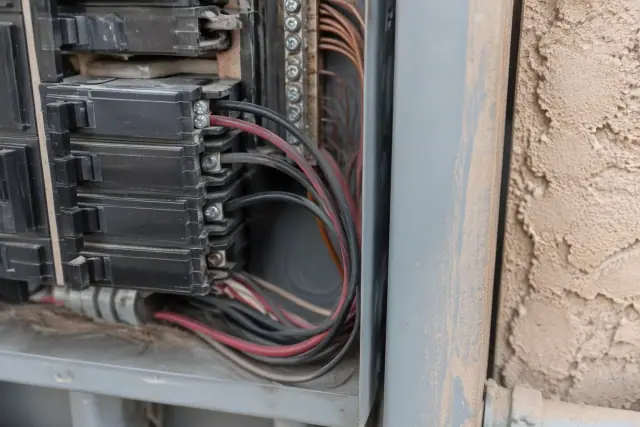
A terminal rated for one conductor should not hold two wires. An electrician checks the terminal rating and connection condition when reviewing a double-tapped breaker.
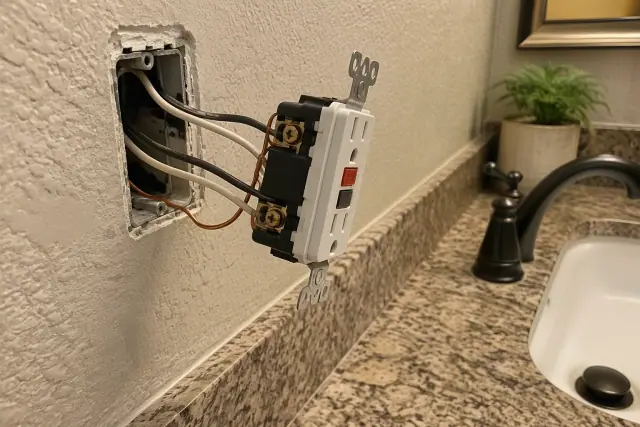
Bathrooms are a key location for required shock protection. A professional should verify that the receptacle has working GFCI protection.
Keep the panel's working area clear and the circuit directory readable. A typical residential panel needs 36 inches of clear working depth; the electrician should verify all applicable clearance dimensions.
On a typical general-purpose circuit, 14-gauge copper wire paired with a 20-amp breaker is a mismatch. The electrician checks conductor size, load, and overcurrent protection together.
Scorch marks, melted insulation, and overheated connections call for prompt professional evaluation. Leave panel covers and internal wiring to the electrician.
Arrange required inspections before drywall or insulation hides new wiring. If work was covered too soon, the inspector may need it exposed to verify the installation.
| Inspection area | Potential failure finding | next action |
|---|---|---|
| Exposed or damaged wiring | Splices outside accessible boxes; cracked, melted, or chewed insulation. | Have an electrician repair the damaged wiring and enclose connections properly. |
| Grounding and bonding | Missing required grounding conductors or improper panel and water-line bonding. | Have the grounding and bonding arrangement checked against the applicable requirements. |
| Outlet and switch installation | Reversed polarity, loose mounting, or heat-damaged connections. | Have the device wiring and mounting corrected and checked. |
| GFCI and AFCI protection | Required shock or arc-fault protection is absent or does not function. | Have the affected circuits tested and the required protection restored. |
| Breakers and circuit loads | Two conductors in a terminal rated for one, incompatible breakers, or excessive load. | Have the electrician confirm ratings, connections, and the circuit's capacity. |
| Panel condition and access | Corrosion, moisture intrusion, missing covers, or obstructed working space. | Address equipment damage and restore safe access before inspection. |
| Permit and inspection sequence | Work lacks a required permit or was concealed before approval. | Resolve permit requirements and confirm what must remain visible for the inspector. |
Use the correction notice to confirm the required scope with the electrician and inspector.
An inspection can fail when the work does not meet the applicable National Electrical Code (NEC) requirements and City of Phoenix amendments. Wiring defects include exposed splices, loose devices, reversed polarity, and missing required grounding or bonding. Panels can have incompatible breakers, loose lugs, rust, moisture intrusion, or loads beyond circuit capacity. GFCI requirements include receptacles within 6 feet of the top inside edge of a sink bowl, while kitchens, bathrooms, garages, and exterior locations have requirements that extend beyond that distance rule. AFCI protection also applies to many living-space circuits. The electrician should check the requirements for the permitted work, the equipment ratings, and the actual installation before proposing corrections.
Homes over 40 years old in Coronado and the Willo Historic District may retain wiring from the 1950s-60s; some central Phoenix houses have cloth-insulated wiring from pre-1960s construction. A home built before 1972 warrants a check of the actual wiring material and any later alterations. Aluminum branch wiring installed roughly between 1965 and 1973 deserves particular attention at connections, where deterioration can cause overheating. Knob-and-tube circuits require review of insulation condition, grounding limitations, and whether surrounding insulation affects safe use. Brittle insulation, heat-damaged connections, and unsafe alterations are concrete findings on which to base the repair scope. Phoenix attic heat, water exposure at patios, and moisture around panels also belong in the assessment. Wiring age helps direct the inspection; the condition and applicable requirements determine the corrections.
What happens after a failed electrical inspection? Have an electrician review the correction notice, complete the required work, and arrange reinspection. Confirm any fees and permit conditions with the City of Phoenix. Does old wiring require a whole-house rewire? The scope depends on insulation, connections, grounding, and how widespread the defects are. Ask which findings support a targeted repair or broader replacement. How much does an inspection cost? National costs range from about $150 to $400; a full Phoenix assessment may cost more depending on square footage, panel age, and attic access. Confirm what the assessment includes before scheduling. How often should a home be checked? Phoenix House Rewiring recommends an assessment every 3 to 5 years for homes under 20 years old, and annually for homes with aluminum wiring, knob-and-tube wiring, or a panel older than 25 years. These are maintenance recommendations; a sale, renovation, or panel upgrade can call for an assessment sooner.
Share the correction notice, the home's age, any known wiring changes, and the symptoms you have noticed. Phoenix House Rewiring can help review the panel, grounding, wiring condition, and outlet safety so you understand the proposed repair scope before approving work.