Proudly serving Phoenix, Scottsdale, Mesa, Glendale, Tempe, Chandler & surrounding areasCall or Text 24/7: 602-559-1353
Guides

Can an Electrician Run a Diagnostic Test?

Yes, and Phoenix House Rewiring uses electrical diagnostic testing to find the cause of dead outlets, flickering lights, and tripping breakers in Phoenix homes before recommending repairs. Calibrated meters and a structured inspection help distinguish a fault on one circuit from a problem that needs a broader wiring assessment.

Quick Summary

  • Yes. Electricians use multimeters, clamp meters, circuit tracers, and insulation resistance testers to investigate electrical faults.
  • A diagnostic checks voltage, continuity, resistance, current, grounding, bonding, and protective devices; it is more than a visual inspection.
  • Phoenix residential diagnostics typically cost roughly $95 to $250, depending on the scope, complexity, and appointment timing.
  • Older wiring and recurring symptoms can require a broader assessment. Findings should explain the fault and support the recommended repair.

How Electricians Diagnose Faults

Measure the Electrical Fault

An electrician measures the wiring and connections directly to investigate voltage drops, breaks in a circuit, or unwanted resistance. Home diagnostics use those readings to locate a fault rather than relying on a scan for error codes.

Check Circuit Load

A breaker that trips under normal use may point to excessive current, a worn breaker, or a developing short. Clamp-meter readings help the electrician compare the actual load with the circuit rating.

Review the Written Findings

The diagnostic report records panel condition, breaker age, wire gauge, insulation condition, and grounding integrity. Those findings should explain why a targeted repair, dedicated circuit, or broader rewiring work is recommended.

What an Electrical Diagnostic Examines

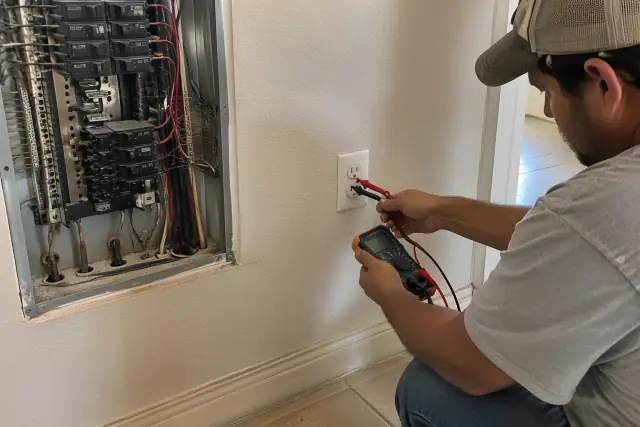
Multimeter Testing at a Residential Outlet

Technician testing a residential electrical outlet with a digital multimeter in Phoenix, AZ.

Outlet voltage measurements help distinguish a supply problem from a failed device or connection. A dead outlet can trace back to another connection along the same circuit.

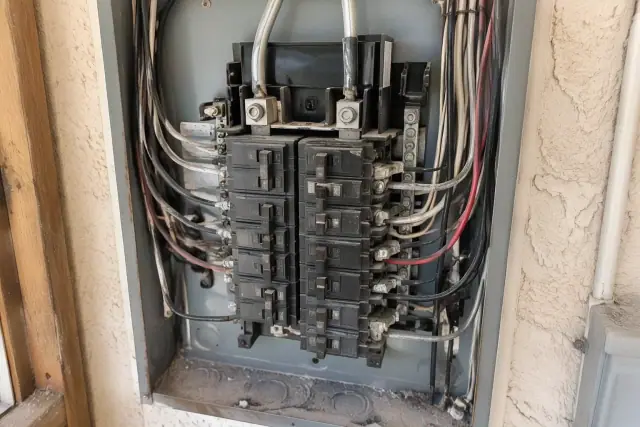
Aluminum Branch Wiring at a Residential Panel

Aluminum branch wiring with oxidized silver conductors at a residential electrical panel in Phoenix, AZ.

In an older home, such as a 1960s ranch in Encanto-Palmcroft, an electrician checks aluminum wiring connections and insulation condition. Thermal cycling can loosen connections and contribute to flickering lights.

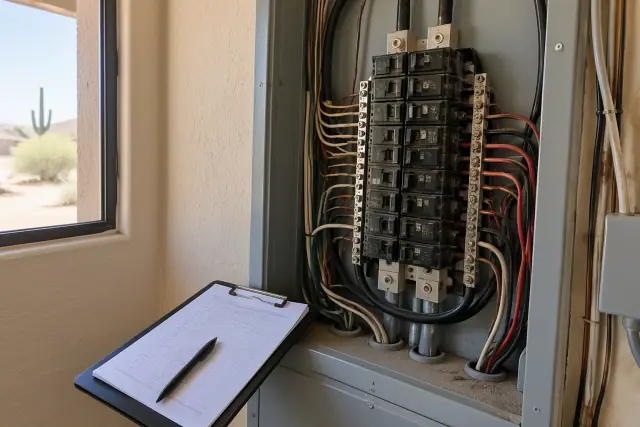
Circuit Diagnostic Report Beside an Electrical Panel

Circuit diagnostic report next to an electrical panel in Phoenix, AZ.

A circuit-by-circuit report connects test results with the affected wiring and protective devices. It helps explain whether the proposed work addresses one fault or a wider electrical problem.

Diagnostic Time and Cost Factors

One Circuit: Often Under an Hour

A straightforward outlet or single-circuit diagnostic typically takes under an hour once the electrician is on site. The work focuses on tracing the symptom to its source.

Whole Home: Typically Two to Four Hours

A whole-home diagnostic can take two to four hours because the panel, grounding system, and individual circuits need assessment. Mixed wiring generations or older connections can extend the visit.

Standard Weekday Diagnostic Fees

Flat diagnostic fees in the Phoenix area are often $120 to $179 for a standard weekday appointment. The fee generally covers locating the fault; confirm the separate repair cost and whether a diagnostic credit applies.

After-Hours Diagnostic Premiums

Emergency or after-hours diagnostics sometimes add $50 to $80 above standard daytime rates. Confirm the appointment charge and assessment scope before scheduling.

Seven Electrical Diagnostic Checks

What Each Electrical Diagnostic Check Examines

A residential diagnostic combines inspection and measurements. The electrician selects the checks needed for the symptom and expands the scope when the findings warrant it.

Diagnostic checkWhat the electrician examinesWhat it can reveal
VoltageOutlets, switches, and the panelChecks supply voltage and helps locate voltage drops.
ContinuityThe circuit path under testChecks whether the path is complete or has a break.
ResistanceWiring and connection pointsHelps investigate unwanted resistance from poor connections or corrosion.
Current and loadCircuit amperage compared with its ratingChecks whether the connected load is exceeding circuit capacity.
Grounding and bondingGrounding integrity and bonding connectionsAssesses the condition of these parts of the electrical safety system.
Breaker, GFCI, and AFCI functionCircuit breakers and protective devicesChecks protective-device operation, including whether devices trip when tested.
Service entrance and meter inspectionIncoming supply and disconnectsLooks for supply-side conditions that may explain the symptom.

These are professional diagnostic checks. Measurements describe current conditions and do not guarantee that a future fault will be predicted.

What Diagnostic Results Reveal

A diagnostic starts with the visible condition of the panel, wiring, and connections, then uses instruments to narrow the search. A dead stretch of outlets may trace to a failed backstabbed connection or a junction box, while flickering across several rooms can point to a loose neutral at the panel or service entrance. A GFCI outlet that will not reset, a buzzing outlet, or a warm switch plate also warrants assessment. An electrical burning smell calls for prompt professional attention because it can indicate overheating at a connection, breaker, or panel bus bar. Testing describes the system at the time of inspection; it cannot predict every future failure with certainty.

Why Older Wiring Changes the Scope

In Phoenix homes built before 1974, identifying knob-and-tube or aluminum branch wiring helps define the inspection scope. Original 1950s and 1960s wiring in areas such as Coronado, Willo, and parts of Sunnyslope may need additional connection and insulation checks. Sustained summer air-conditioning loads can expose weak connections or undersized wiring, while added EV chargers and appliances change what the home needs to supply. Newer construction can also need troubleshooting, such as an Ahwatukee home with a repeatedly tripping AFCI breaker. A diagnostic helps determine whether the issue is confined to a device or circuit, or whether a broader assessment is needed before a rewire.

Common Follow-Up Questions

What happens before physical inspection? The electrician isolates the circuit, verifies that it is de-energized with appropriate test equipment, and controls the risk of accidental re-energization. Live measurements, where needed, belong with a qualified electrician. Does the diagnostic fee include the repair? Usually it covers locating the fault; ask for the repair scope and price separately and confirm any credit toward that work. What if a code concern appears? Ask the electrician to document the finding, explain the relevant National Electrical Code provision, and identify the corrective work. A missing GFCI and undersized service entrance conductors can involve very different repairs. If a panel change, such as a 100-amp to 200-amp upgrade, is proposed, ask how the diagnostic findings support that recommendation.
Phoenix Electrical Diagnostics

Need an Electrical Fault Diagnosed?

Describe the affected outlets or rooms, when the symptom occurs, and which appliances are running at the time. Ask what the diagnostic visit includes and how the findings will be documented before deciding on repairs.