Age Is the Starting Point
An older home's build date prompts a closer look, but previous rewiring changes the picture. Ask when conductors, the panel, and breakers were last replaced.
Phoenix House Rewiring explains how to judge rewiring needs in older homes across the Salt River Valley. A home built before 1980, or one with its original panel and outlets, deserves a closer look at wiring condition and capacity. This guide covers the age checkpoints, warning signs, and inspection findings that shape a full or partial rewire.
An older home's build date prompts a closer look, but previous rewiring changes the picture. Ask when conductors, the panel, and breakers were last replaced.
Brittle insulation, missing grounding, and deteriorating connections matter more than cosmetic outlet condition. Phoenix attic temperatures above 150°F can speed insulation breakdown.
Have an electrician identify wire types, assess the panel, and map circuits. A standalone electrical safety inspection typically costs $150-$350, depending on home size and panel access.
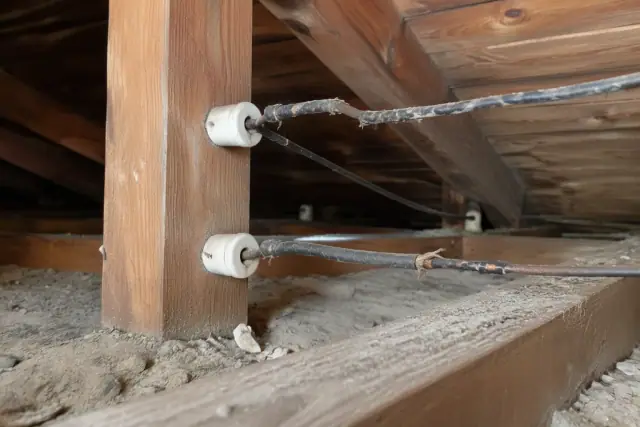
Knob-and-tube circuits lack a grounding path, and aging rubber insulation can become brittle. An inspection should identify any active sections and their condition.
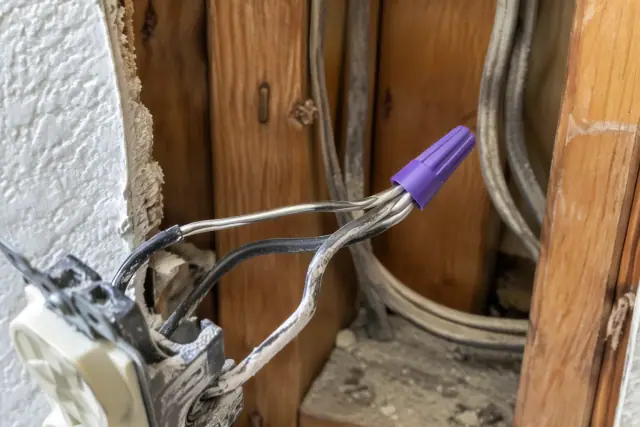
Older aluminum connections can loosen as they heat and cool. Identifying the conductor and termination helps an electrician choose replacement or suitable connector remediation.
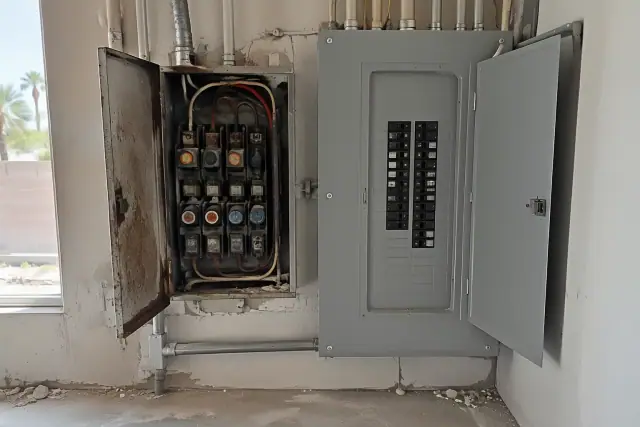
Panel type alone does not show whether the home's circuits have been updated. Older 60-100 amp fuse equipment warrants a capacity assessment against current household loads.
Copper NM-B and THHN wiring can have a long service life under proper conditions. Heat exposure, damaged insulation, and poor connections can make replacement necessary earlier.
Panel condition and capacity can call for attention before the wiring does. EV charging, added HVAC demand, and modern appliances can expose a capacity shortfall.
Mechanical wear can affect a breaker's ability to trip reliably. Repeated trips under normal load call for diagnosis of both the breaker and its circuit.
Flickering lights, buzzing, warm or discolored plates, and burning odors call for prompt professional evaluation. Two-prong outlets and repeated breaker trips also belong on the inspection checklist.
Use age to prioritize an inspection, then base the scope on the wiring actually present.
| Home Age or Wiring Era | What to Check | Direction After Inspection |
|---|---|---|
| Over 40 years old | Original wiring, panel capacity, and renovation history | Arrange a full electrical evaluation; age alone does not establish the replacement scope. |
| Over 50 years old | Cloth or rubber insulation, limited grounding, and undersized equipment | Consider a full rewire if deterioration or deficiencies extend throughout the home. |
| Over 60 years old | Unreplaced conductors, fuse equipment, and missing circuit protection | Prioritize assessment for extensive replacement or a safe phased plan. |
| Pre-1940 homes; knob-and-tube from before the 1950s | Active ungrounded circuits, brittle insulation, and access behind plaster | Plan replacement of unsuitable circuits; discuss room-by-room access to preserve finishes. |
| 1965-1973 aluminum branch wiring | Connection condition and evidence of prior remediation | Have an electrician assess replacement or suitable permanent connector remediation. |
| 1980s homes | Usable wiring with a panel that may lack capacity for added loads | Compare a panel upgrade with rewiring based on the circuit findings. |
Many Phoenix homes reach a rewiring evaluation point between 40 and 60 years old. Encanto-Palmcroft, Willo, and Coronado include homes from the 1920s-1950s, while Maryvale and Sunnyslope have housing built through the 1960s. What matters at an individual property is how much original wiring remains. Ask the electrician to check grounding and bonding, attic or crawlspace splices, GFCI/AFCI protection, and available circuits against household demand. Circuit mapping and testing can then distinguish a few problem runs from widespread deterioration.
Typical Phoenix costs vary by the work required: a 100A-to-200A panel upgrade runs $1,800-$4,500, knob-and-tube removal $8-$12 per sq ft, and aluminum wiring replacement or remediation $3,000-$8,000. Smaller upgrades include dedicated circuits at $250-$600 per circuit, GFCI outlet upgrades at $150-$300 per location, AFCI breaker installation at $50-$100 per breaker, and whole-home surge protection at $300-$600. These address different capacity or protection needs; they do not automatically replace deteriorated wiring. Wall access and finish repairs affect the labor involved, so compare a written scope before deciding whether to phase the work.
What does a 2,000 sq ft rewire cost? Typically $8,000-$20,000+ in Phoenix, with wall access, panel work, and dedicated circuits affecting the total. How long does it take? A single-story home of that size with open wall access typically takes 5-10 working days, including rough-in, panel work, and final inspection; plaster, tile, or limited access can extend the schedule. Can it be done in phases? Work on one or two problem circuits can often take a single day, with later phases based on the inspection findings. Must all drywall come down? Attic or crawlspace access and fishing through wall cavities can limit openings, although some rooms still need patching.
Share the home's approximate age, known electrical updates, and any symptoms you have noticed. An on-site inspection can establish whether the next action is circuit repairs, a panel upgrade, or a full rewire. Ask for a written scope covering access, finish repairs, permits, and inspections before work begins.